The Hope Building Program serves as a bridge between individuals in substance use recovery and paid, meaningful employment in Eastern Kentucky’s construction workforce.
Participants enter the program through referrals from trusted recovery partners and engage in hands-on construction training while earning wages, credentials, and work experience. For many, Hope Building represents a critical transition point – from treatment to workforce participation.
Recovery is a lifelong journey, and progress is not always linear.
The stories shared here reflect moments of growth and opportunity made possible through Hope Building and the systems that support it.
Approximately 75% of Hope Building participants have gone on to:
Secure full-time employment, or
Continue into postsecondary education or credentialing programs
Graduates have found work across Eastern Kentucky in:
Construction and skilled trades
Property maintenance
Peer support and recovery services
These outcomes strengthen both individual stability and the regional workforce.
Hope Building participants are doing more than advancing their own careers. While in training, they help construct market-rate workforce housing – homes that serve upper low-income and middle-income families who fall outside traditional income-based housing programs.
This dual-impact model:
Expands the skilled labor pool
Supports recovery through employment
Helps address Eastern Kentucky’s housing shortage
Creates earned revenue that is reinvested into training – while still relying on essential grant funding to operate
Jerry entered Hope Building through a referral from Perry County Drug Recovery Court. Known for his positive outlook and sense of humor, Jerry shares what it meant to earn a paycheck, learn construction skills, and envision a different future during his time in the program.
This story was originally published in observance of National Recovery Month (September 2024).
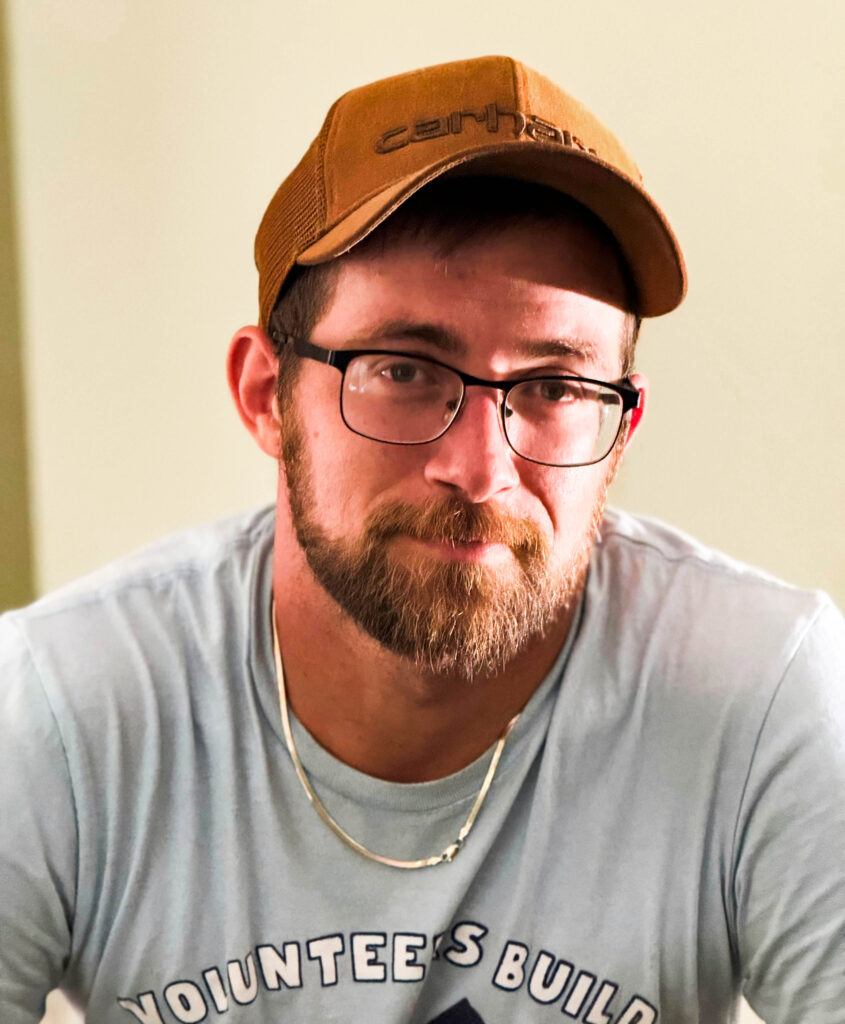
Kevin joined Hope Building as a trainee and demonstrated strong technical skills and reliability on the job site. Following his training period, he was hired full-time by HDA and now works for a local construction company.
Kevin’s story highlights how paid training can create direct workforce pathways within the region.

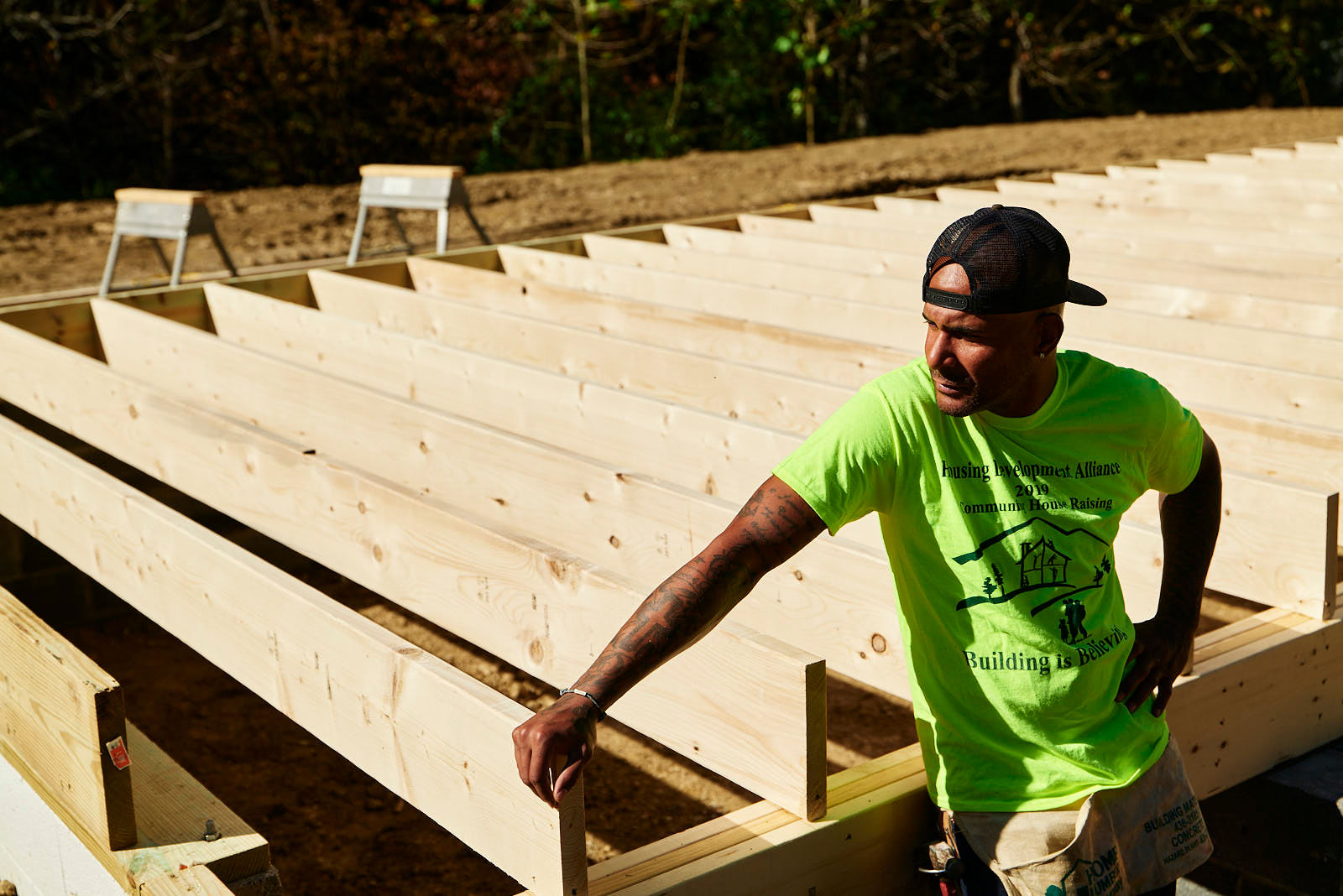
After completing Hope Building, Terrell returned to his hometown of Ashland, Kentucky, where he now works as an Outreach Peer Support Specialist with Pathways, Inc. His journey illustrates how workforce training can support both employment and community-based recovery services.

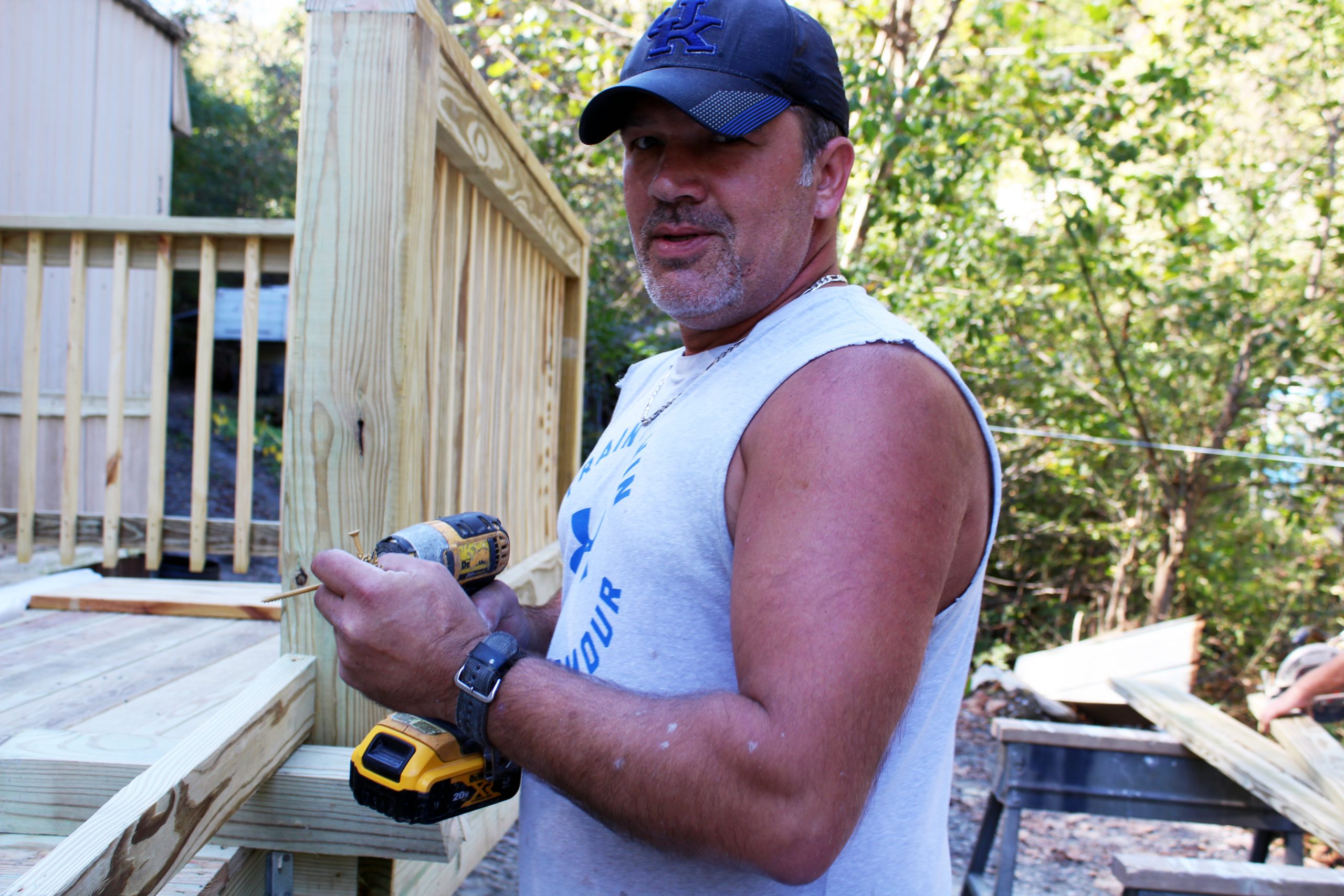
David offers a firsthand account of the trainee experience, including the challenges and expectations of the program. After completing his training, he secured full-time employment in Knott County. David’s perspective provides insight into what participation in Hope Building looks like day to day.
Hope Building is made possible through critical grant funding and partnerships, including support from the Appalachian Regional Commission (ARC) through a POWER grant.
Continued investment allows the program to:
Serve new cohorts of trainees
Maintain paid training opportunities
Strengthen long-term workforce outcomes
If you’re interested in supporting or partnering with Hope Building, we invite you to learn more about how grant funding, collaboration, and workforce development intersect in this program.
Click the button to email Shannon Gabbard, Director of Hope Building.
1. Is there a cost for home repairs?
Yes – but repairs are made affordable. Most homeowners receive a combination of grants and low-interest loans based on income, household size, and the type of repair needed. We will explain all costs before any work begins.
2. Do I have to own my home to qualify?
Yes. The home must be owner-occupied, meaning you own the home and live in it. We are not able to repair homes you plan to move into or homes owned by someone else.
3. What kinds of repairs can you help with?
We focus on critical health and safety repairs, accessibility improvements, and major home rehabilitations. This can include roofs, floors, plumbing, electrical issues, ramps, HVAC (through a subcontractor), and more. Cosmetic repairs are generally not eligible.
4. How long will it take to hear back after I get started?
Due to high demand – especially following recent flood disasters – response and wait times are longer than usual. After you submit the Get Started form, our staff will contact you when your request reaches the next step. We appreciate your patience.
5. Why are there two forms?
We use two forms to make the process easier and more efficient for homeowners. The Get Started form is a short first step that lets us understand your situation and determine which repair programs may be a good fit. After reviewing that information, an HDA staff member will contact you to talk through next steps. The Home Repair Intake form is the full application and collects detailed information needed to determine eligibility and funding options. Most people begin with Get Started – our team will help you from there.
6. Does flooding affect my eligibility?
We assist homeowners who were affected or impacted by flooding, whether repairs are flood-related or not. Flood-related needs may qualify for specific funding sources, but all requests are reviewed individually.
Please fill out this contact form and let us know what kind of help you need. A member of our staff will contact you ASAP.
"*" indicates required fields
Thank you for your interest in volunteering with the Housing Development Alliance (HDA)!
This form is the first step to serving with us through either our Traditional Volunteer Program (Hands to Homes) or our Ultimate House Raising Challenge, a signature part of our Hands to Homes initiative.
Once you submit this interest form, our Volunteer & Community Coordinator will follow up to discuss next steps, available dates, and required forms.
Individuals & local volunteers:
If you’re interested in volunteering on your own or as part of a small local group, you’re welcome to continue using this form. You may also contact our Volunteer & Community Coordinator directly at 606-436-0497 or janie@hdahome.org
Our Volunteer & Community Coordinator typically responds within one week. If you have not heard from us after submitting this form, please call 606-436-0497.
Please note: This is an interest form only. Additional forms and confirmations are required before volunteering is finalized.
"*" indicates required fields