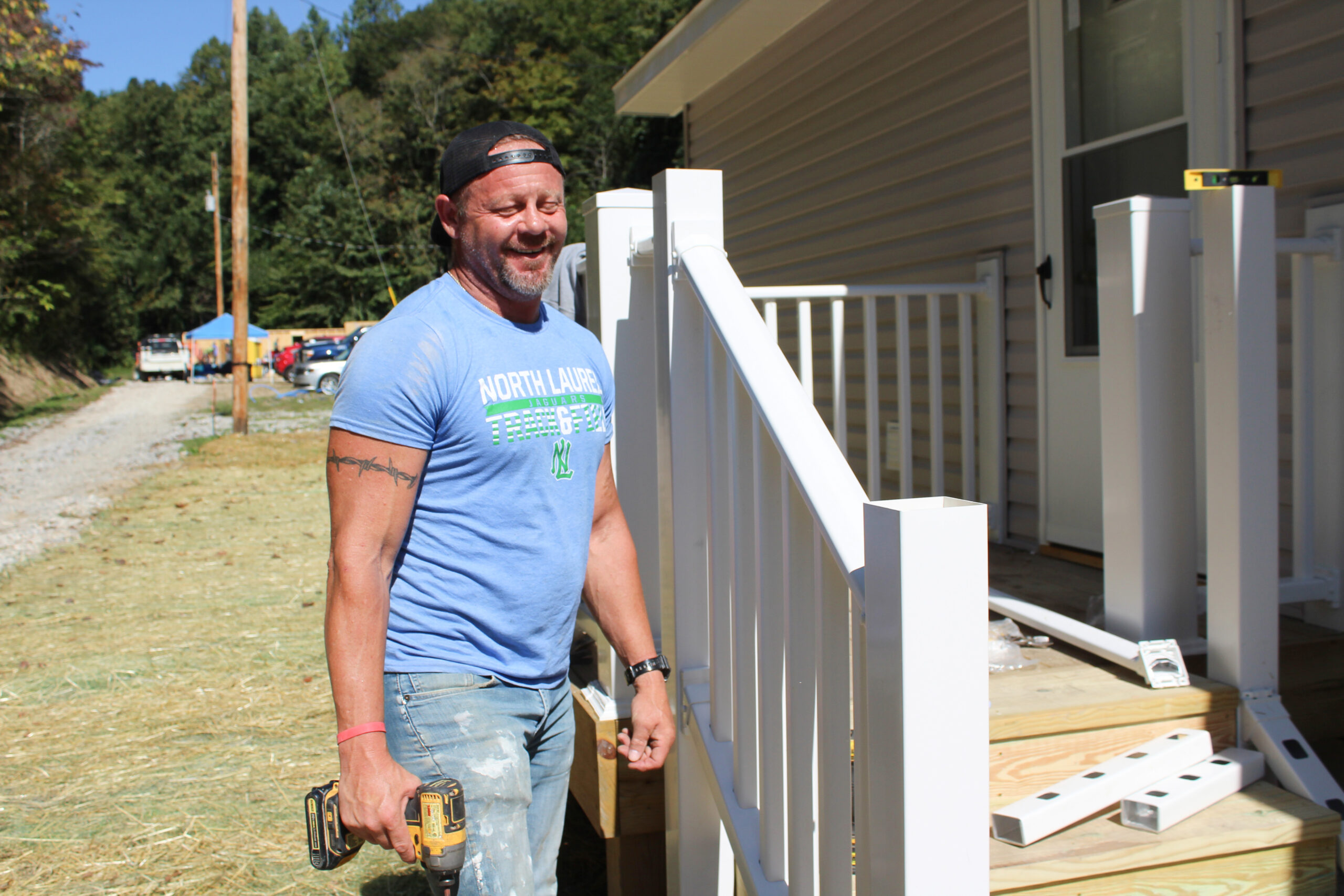
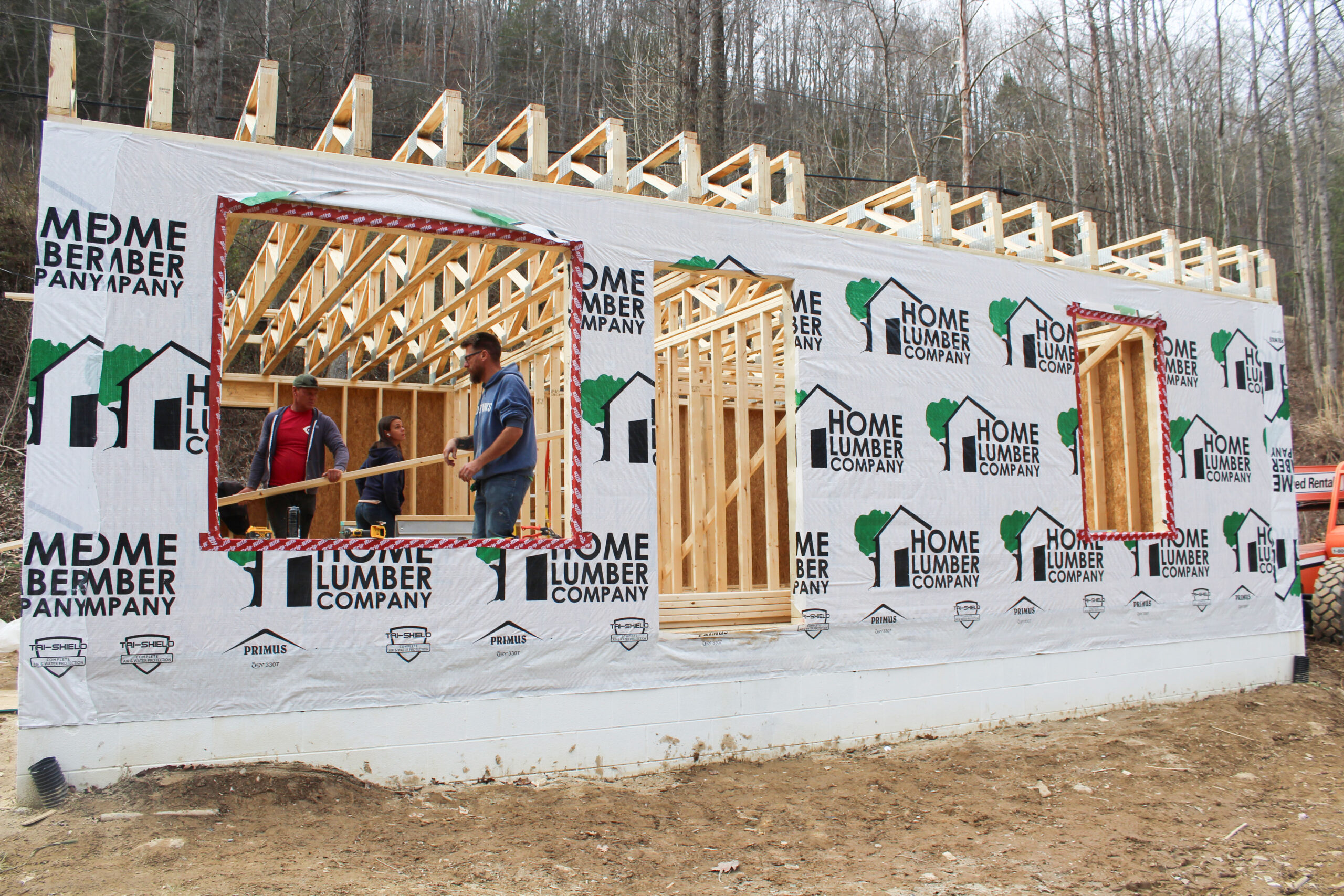
Hope Building is a paid construction training and workforce re-entry program for people in substance use disorder (SUD) recovery. It is operated by the Housing Development Alliance (HDA) in partnership with local recovery providers in Eastern Kentucky.
If you are looking for information about income-based housing or HDA homeownership programs, please visit our Housing Help pages.
Eastern Kentucky sits at the epicenter of the nation’s opioid and substance use crisis. At the same time, our region faces a severe shortage of skilled construction labor and safe, quality housing.
Hope Building addresses both challenges at once.
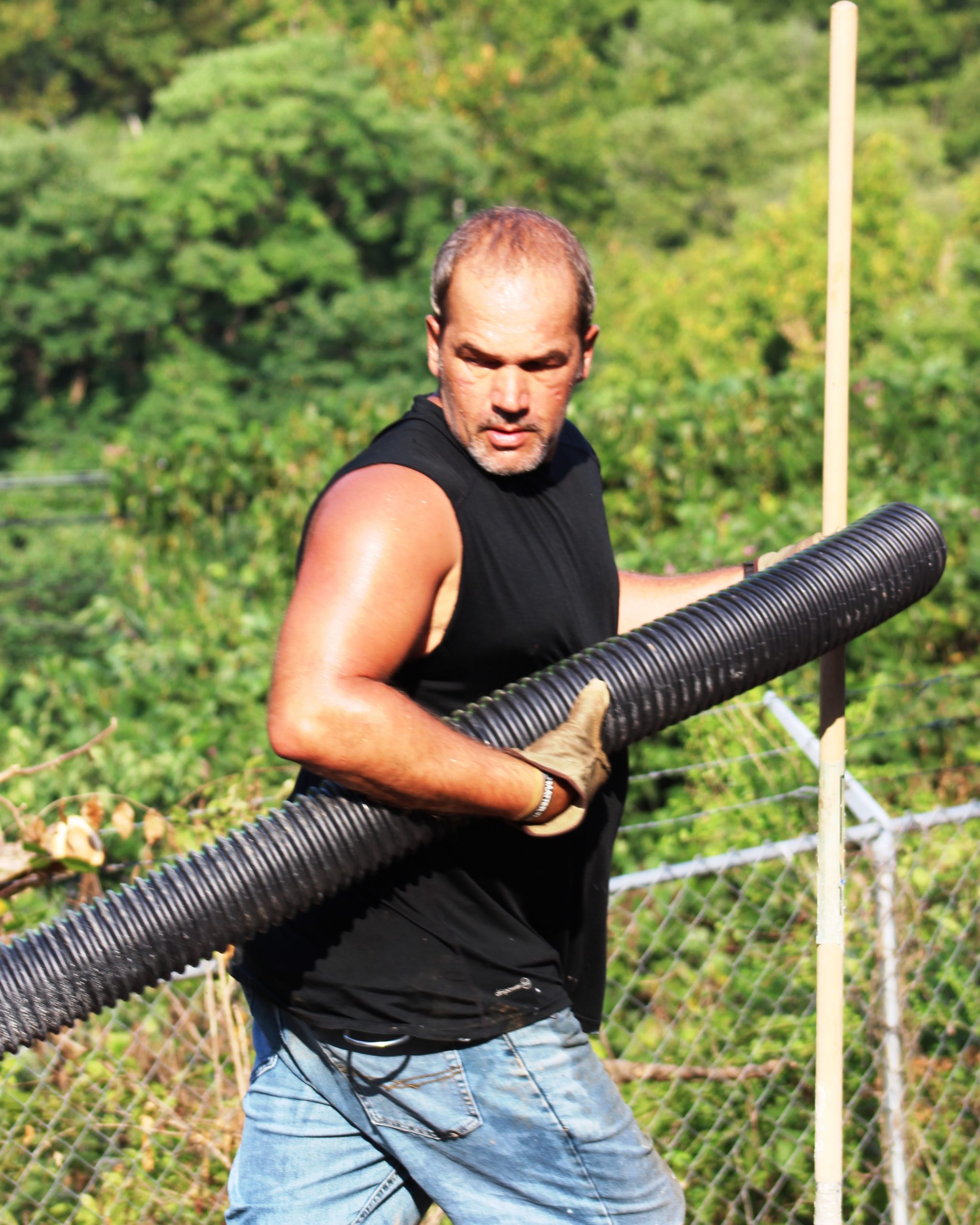
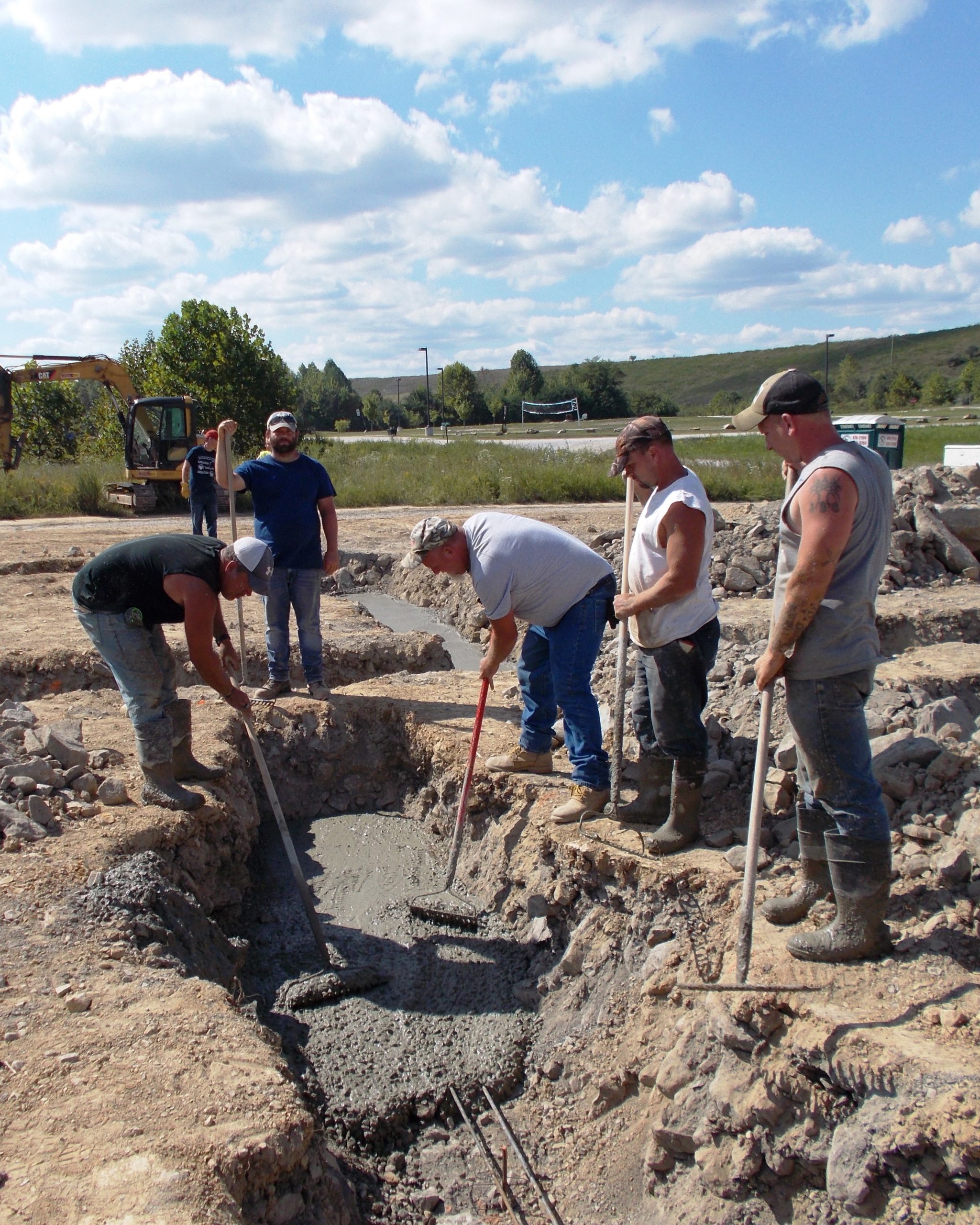
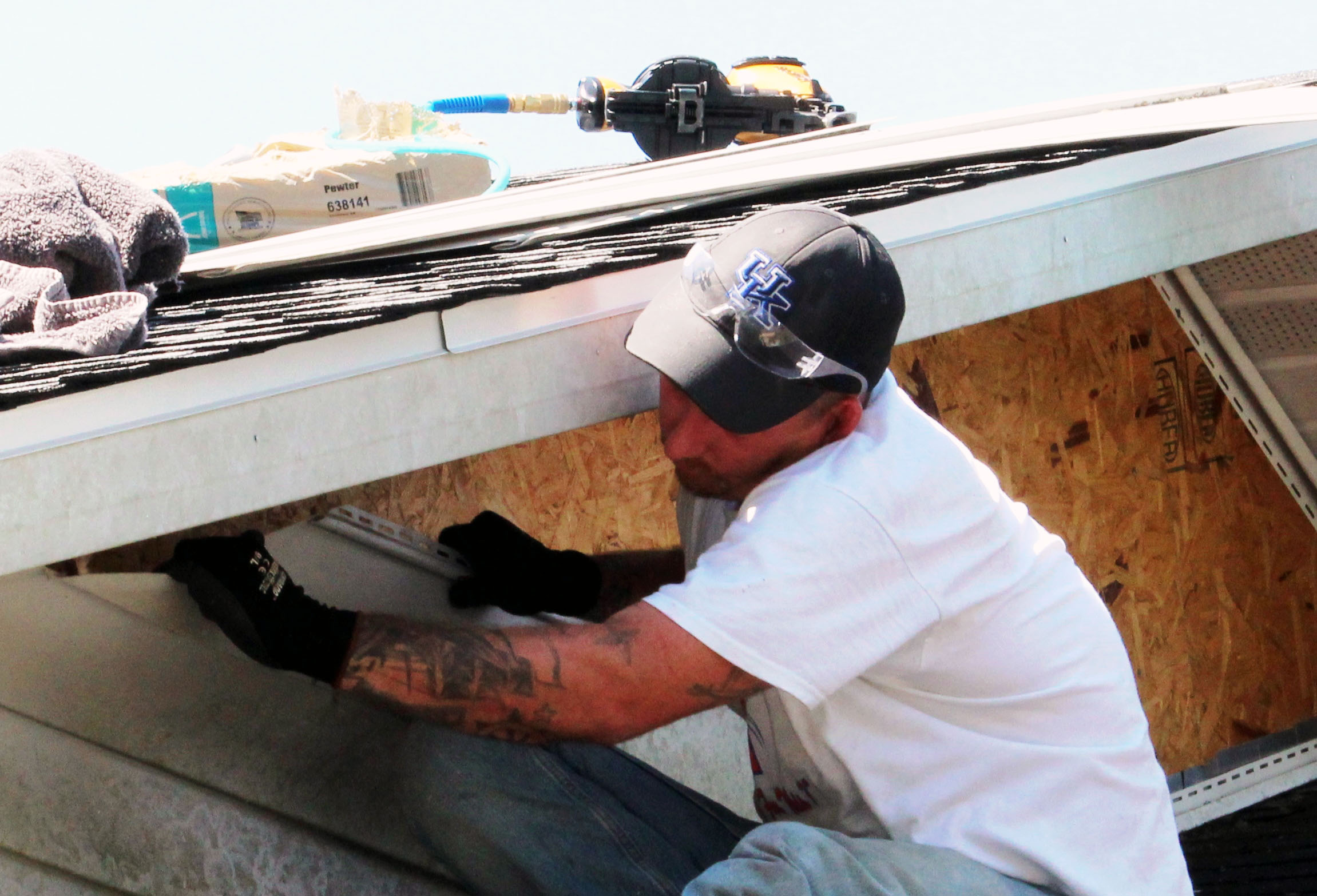
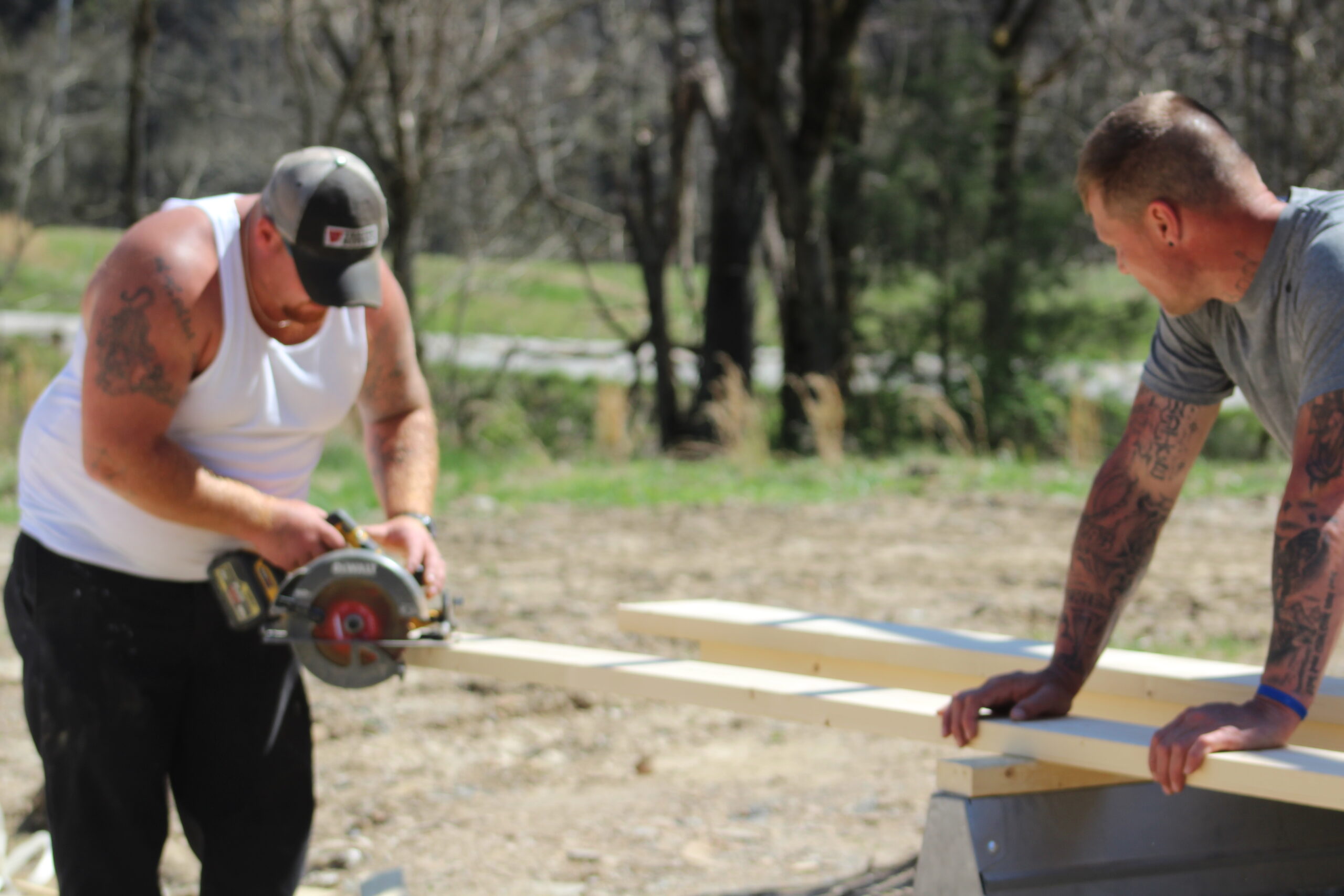
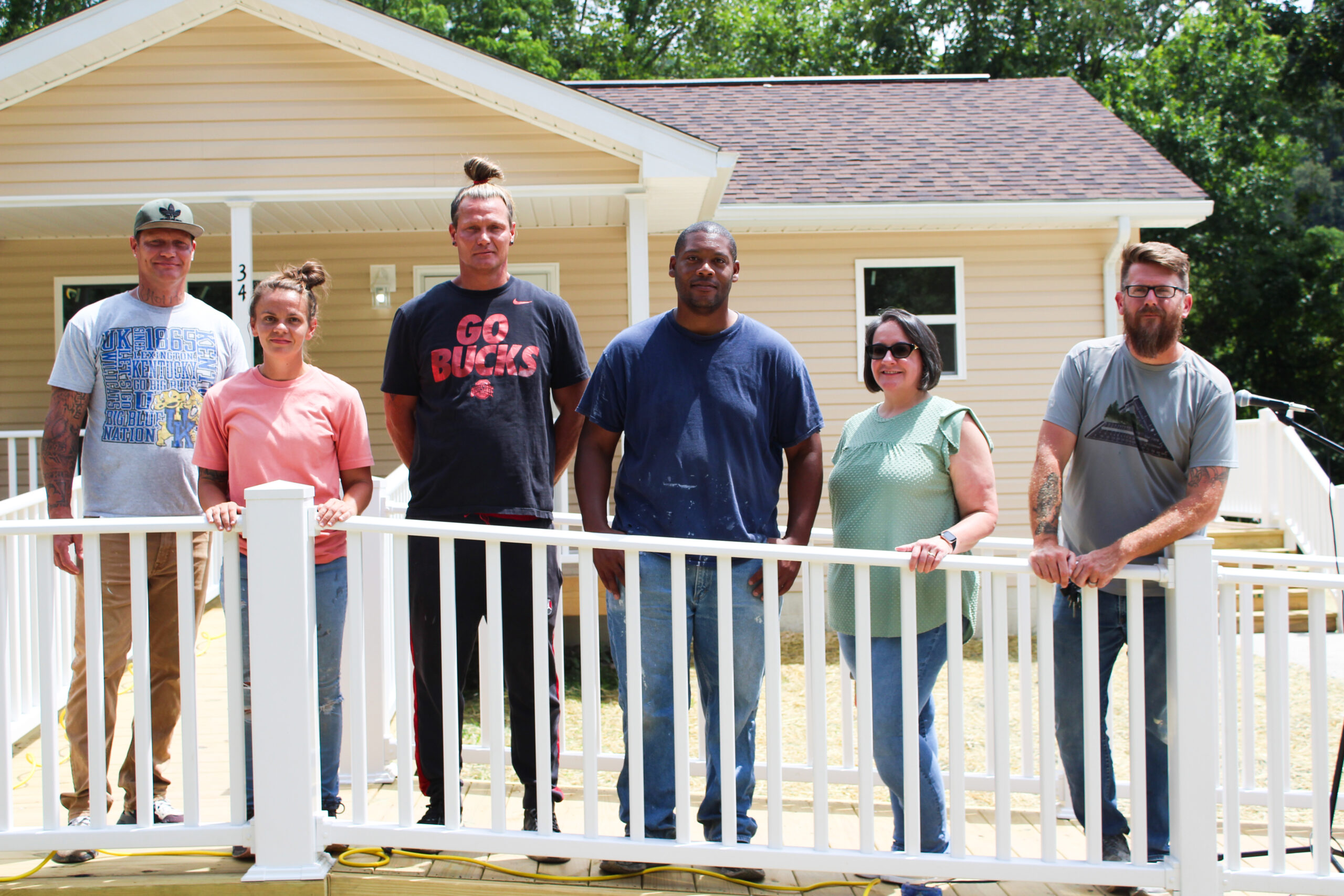
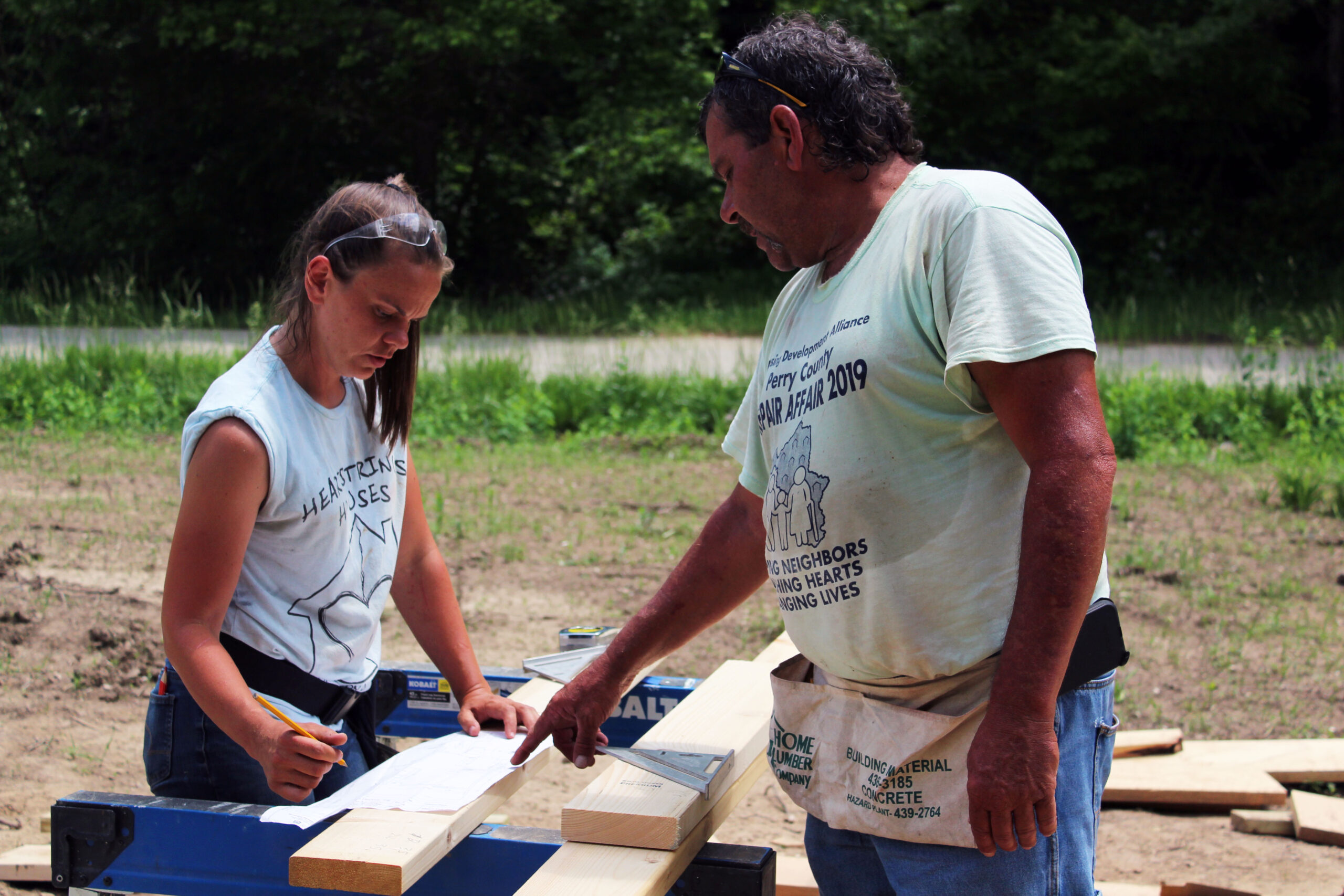
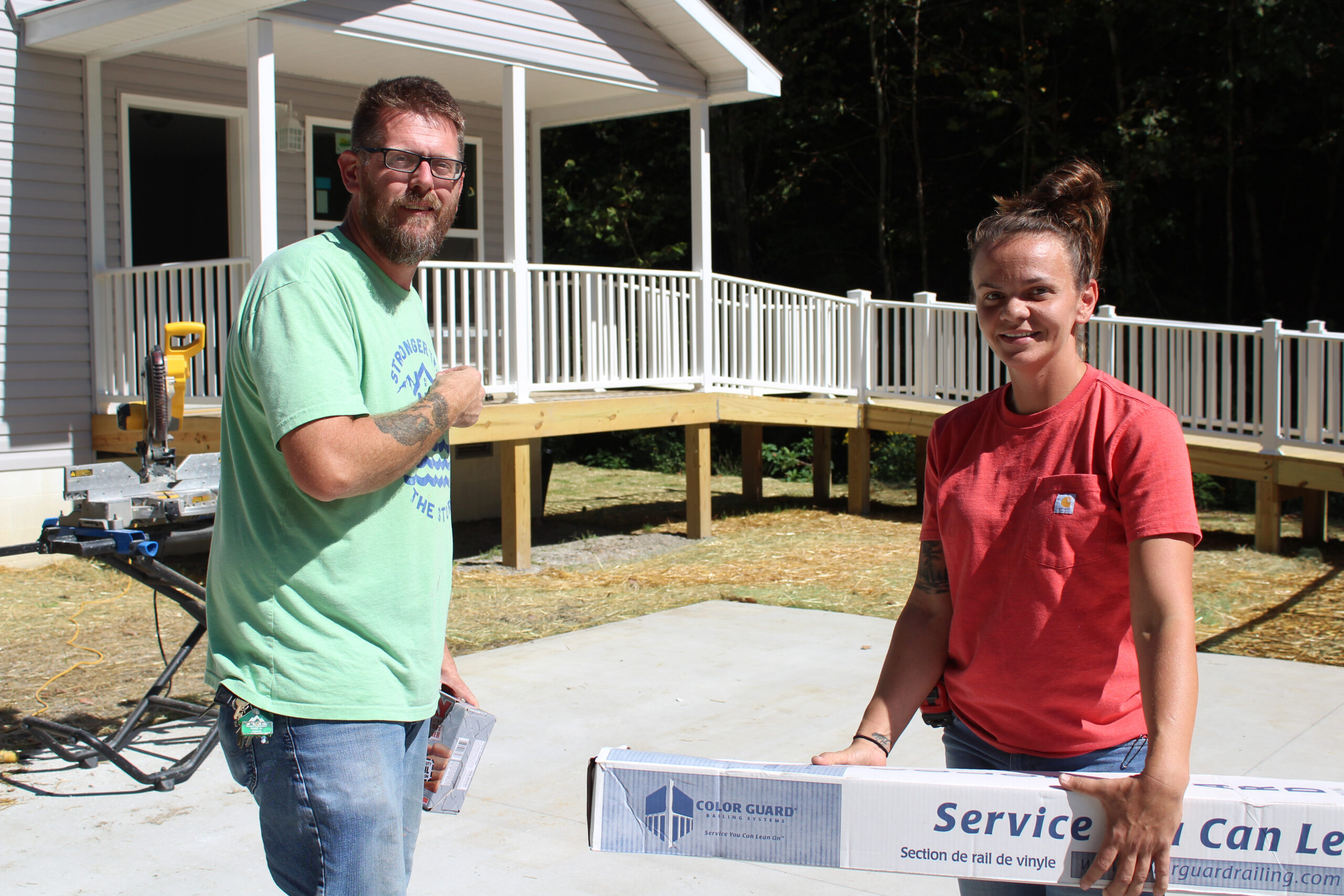
As a transformational employer, HDA partners with Perry County Drug Court, Knott County Drug Court, Hickory Hill Recovery Center, and other recovery providers to offer paid, on-the-job construction training for men and women who are well along in their recovery journey.
Just as safe housing is essential to long-term stability, steady employment is one of the strongest predictors of sustained recovery.
Participants in Hope Building:
All trainees are expected to:
Comply with Hope Building program requirements
Remain actively engaged in their recovery programs
Meet workplace performance and safety standards
Trainees earn college certificates in:
Tutoring and financial aid support are available through HCTC.
Graduates leave the program with:
Industry-recognized credentials
A verified employment reference with HDA
Increased employability and reduced risk of relapse
Hope Building is designed for long-term systems change, not short-term intervention.
By combining workforce development, recovery support, and housing production, the program:
Strengthens local labor capacity
Improves recovery outcomes
Rebuilds Eastern Kentucky’s housing stock
Creates a pipeline to permanent employment
As defined by SAMHSA:
"Recovery is a process of change through which individuals improve their health and wellness, live a self-directed life, and strive to reach their full potential."
Hope Building puts that definition into practice.
Hope Building participants are referred by partner recovery organizations. All trainees have reached an advanced stage in their recovery and are recommended by program directors or counselors.
Recovery providers interested in partnering with Hope Building are encouraged to contact us.
Individuals currently in recovery who are interested in the program should speak with their recovery or Drug Court program director.
Homes constructed through the Hope Building program are:
Sold on the open market
Available to any qualified buyer
Not income-based or subsidized
Hope Building is made possible through critical grant funding and partnerships, including support from:
Appalachian Regional Commission (ARC)
Just Transition Fund
Local recovery and workforce partners
Continued investment ensures the program can expand its impact and serve more individuals and communities.

To learn more about Hope Building or partnership opportunities, contact:
Shannon Gabbard, Program Director
606-436-0497
1. Is there a cost for home repairs?
Yes – but repairs are made affordable. Most homeowners receive a combination of grants and low-interest loans based on income, household size, and the type of repair needed. We will explain all costs before any work begins.
2. Do I have to own my home to qualify?
Yes. The home must be owner-occupied, meaning you own the home and live in it. We are not able to repair homes you plan to move into or homes owned by someone else.
3. What kinds of repairs can you help with?
We focus on critical health and safety repairs, accessibility improvements, and major home rehabilitations. This can include roofs, floors, plumbing, electrical issues, ramps, HVAC (through a subcontractor), and more. Cosmetic repairs are generally not eligible.
4. How long will it take to hear back after I get started?
Due to high demand – especially following recent flood disasters – response and wait times are longer than usual. After you submit the Get Started form, our staff will contact you when your request reaches the next step. We appreciate your patience.
5. Why are there two forms?
We use two forms to make the process easier and more efficient for homeowners. The Get Started form is a short first step that lets us understand your situation and determine which repair programs may be a good fit. After reviewing that information, an HDA staff member will contact you to talk through next steps. The Home Repair Intake form is the full application and collects detailed information needed to determine eligibility and funding options. Most people begin with Get Started – our team will help you from there.
6. Does flooding affect my eligibility?
We assist homeowners who were affected or impacted by flooding, whether repairs are flood-related or not. Flood-related needs may qualify for specific funding sources, but all requests are reviewed individually.
Please fill out this contact form and let us know what kind of help you need. A member of our staff will contact you ASAP.
"*" indicates required fields
Thank you for your interest in volunteering with the Housing Development Alliance (HDA)!
This form is the first step to serving with us through either our Traditional Volunteer Program (Hands to Homes) or our Ultimate House Raising Challenge, a signature part of our Hands to Homes initiative.
Once you submit this interest form, our Volunteer & Community Coordinator will follow up to discuss next steps, available dates, and required forms.
Individuals & local volunteers:
If you’re interested in volunteering on your own or as part of a small local group, you’re welcome to continue using this form. You may also contact our Volunteer & Community Coordinator directly at 606-436-0497 or janie@hdahome.org
Our Volunteer & Community Coordinator typically responds within one week. If you have not heard from us after submitting this form, please call 606-436-0497.
Please note: This is an interest form only. Additional forms and confirmations are required before volunteering is finalized.
"*" indicates required fields